

Chances are, the last thing you think of when it comes to Oklahoma is marijuana legislation. But that’s all changing – the state recently legalized medical marijuana, and its impact is already being felt. From creating jobs and economic opportunities to transforming people’s outlook on cannabis-related treatments, Oklahoma’s medical marijuana program offers tremendous potential for improving lives.
Explore how Oklahomans’ perspectives on medical marijuana have changed through increased awareness about the benefits of cannabis treatment, as well as look at some of the innovative solutions that Oklahoma has implemented around access and regulation in recent years.
Keep reading to find out more!
Understanding the Stigma Around Medical Marijuana
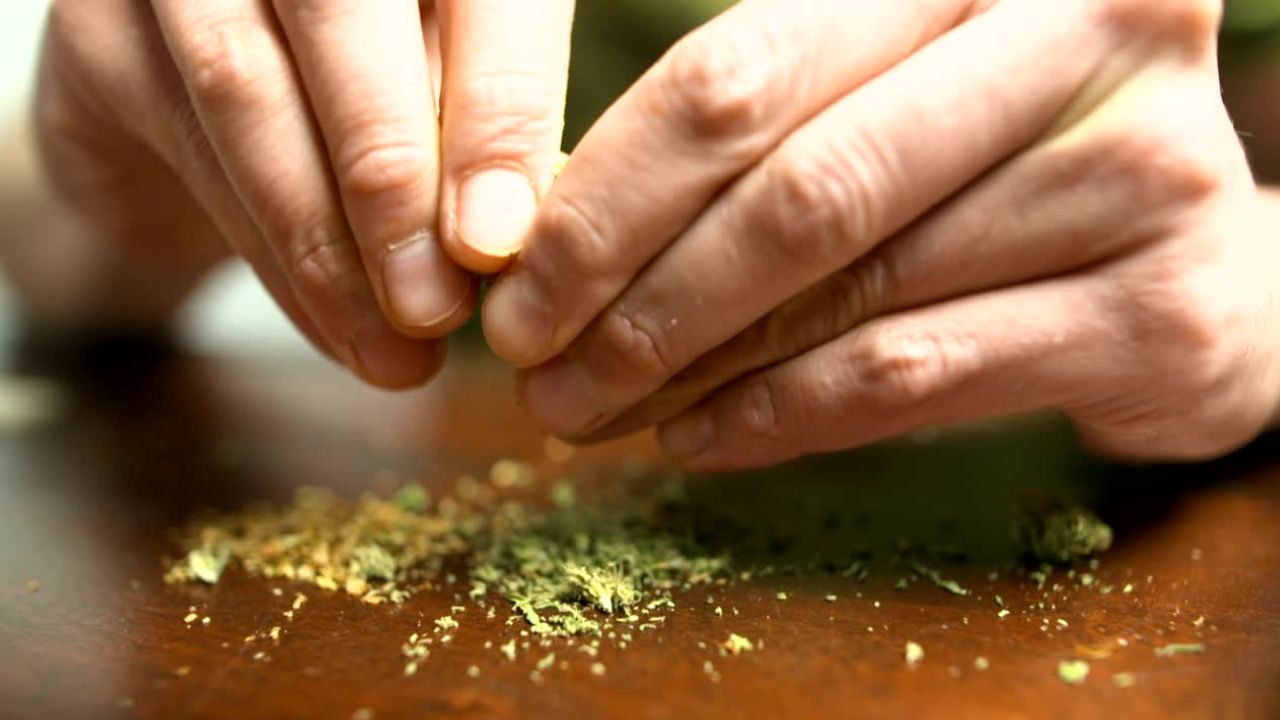
Medical marijuana has become controversial in recent years, with discussions surrounding its potential benefits and legality. While many states, including Oklahoma, have implemented medical marijuana programs, a certain stigma exists around using this alternative treatment method.
The stigma around medical marijuana stems from years of misinformation, stereotypes, and social prejudices. In the past, marijuana was associated solely with recreational use and the drug culture, leading to negative perceptions and a reluctance to explore its potential medical properties. Additionally, the classification of marijuana as a Schedule 1 controlled substance by the federal government further perpetuated the stigma, making it difficult for health care professionals and medical patients alike to openly discuss or consider the benefits of medical cannabis.
By educating ourselves about the medical condition that medical cannabis treats and the scientific evidence supporting its use, we can help shift public opinion and create a more accepting and supportive environment for medical marijuana patients in Oklahoma and beyond.
Barriers to Accessing Medical Marijuana Programs in Oklahoma

Accessing medical marijuana programs in Oklahoma can be challenging due to several barriers. These barriers hinder patients from availing the benefits of medical cannabis and contribute to perpetuating the stigma surrounding its use. Here are five common obstacles faced by individuals seeking medical marijuana treatment in Oklahoma:
1. Stigmatization
Despite the progress in shifting perspectives, stigmatization persists. Many individuals fear being judged or labeled negatively for using medical marijuana, leading to secrecy or reluctance to seek treatment openly.
2. Limited physician involvement
Some healthcare professionals hesitate to participate in medical marijuana programs due to personal beliefs or lack of knowledge. This limits the number of medical providers available to certify patients and prescribe medical cannabis.
3. High costs
Obtaining a medical card and purchasing marijuana products can be expensive. This financial burden may deter medical cannabis patients who may not have the means to pay for these expenses.
4. Lack of education
Many individuals lack proper knowledge about medical marijuana, its potential benefits, and the legal requirements for accessing it. This lack of education creates additional barriers for patients who are hesitant or unsure about the process.
5. Limited access to dispensaries
Although Oklahoma has a growing number of medical marijuana dispensaries, accessibility can still be challenging, particularly for rural patients. Limited access to dispensaries can make it difficult for patients to obtain the necessary medications and information.
Addressing these barriers requires ongoing education and awareness campaigns, increased certifying health care providers’ participation, affordability initiatives, and expanding dispensaries to ensure equal access for all needy patients. By overcoming these obstacles, Oklahoma’s medical marijuana program can provide better care and quality of life for residents with debilitating conditions.
Breaking the Stigma: The Significance of Medical Marijuana
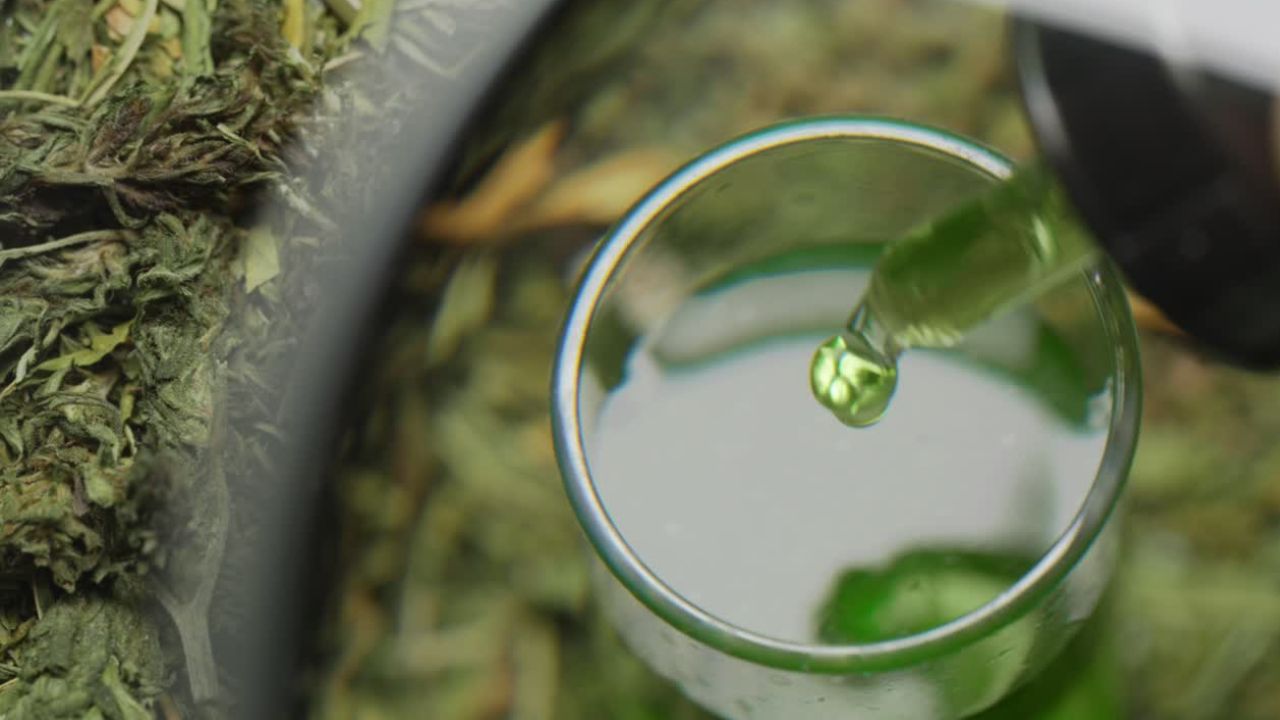
Over the years, the medical use of marijuana has gained recognition for its potential benefits in treating various conditions. Breaking through the stigma associated with marijuana, medical professionals and patients alike have started to recognize the significance of this alternative treatment option. Here are several benefits of medical cannabis:
- Pain management: Patients with chronic pain conditions, such as arthritis or fibromyalgia, often find relief through medical marijuana. It can alleviate pain, reduce inflammation, and improve overall quality of life.
- Nausea and vomiting relief: Medical marijuana has proven effective in alleviating chemotherapy-induced nausea and vomiting, providing much-needed relief for cancer patients undergoing treatment.
- Appetite stimulation: For individuals suffering from appetite loss or eating disorders, medical marijuana can help stimulate hunger and promote healthy eating habits.
- Mental health support: Research suggests that medical marijuana can alleviate symptoms of anxiety, depression, and post-traumatic stress disorder (PTSD), providing relief for those struggling with mental health conditions.
- Seizure control: Some forms of medical marijuana, particularly those containing CBD, have effectively reduced seizure frequency and intensity in patients with epilepsy.
- Glaucoma treatment: Medical marijuana can help reduce intraocular pressure in patients with glaucoma, which can lead to optic nerve damage and vision loss.
- Anti-inflammatory properties: The cannabinoids in medical marijuana have anti-inflammatory properties, which can benefit patients with conditions such as inflammatory bowel disease or multiple sclerosis.
- Neuroprotective effects: Medical marijuana has shown potential in protecting brain cells and reducing neurodegenerative symptoms associated with conditions like Alzheimer’s disease and Parkinson’s disease.
- Sleep aid: Certain strains of medical marijuana can have sedative effects, aiding individuals with insomnia or sleep disorders in achieving a restful night’s sleep.
- Addiction treatment support: Medical marijuana has been used as an alternative treatment for substance abuse disorders, helping individuals reduce cravings and manage withdrawal symptoms.
By understanding and appreciating the numerous benefits of medical marijuana, we can break the stigma associated with its use and provide better access to this valuable treatment option for patients in need.
The Role of Medical Cannabis Doctors

In Oklahoma’s medical marijuana program, licensed physicians are crucial in providing patients access to this alternative treatment option. These medical marijuana doctors are responsible for evaluating patients’ conditions and determining whether they qualify for a medical marijuana license.
To sign a physician recommendation form for a medical marijuana patient license, physicians must meet certain criteria. Firstly, they must be in good standing with the State Board of Medical Licensure and Supervision, the State Board of Osteopathic Examiners, or the State Board of Podiatric Medical Examiners.
Additionally, medical cannabis doctors must adhere to accepted standards that a reasonable and prudent physician would follow when recommending medication to a patient. This ensures patients receive appropriate and safe treatment through the medical marijuana program.
Importantly, medical cannabis doctors cannot be located at a dispensary’s physical address. This includes virtual appointments with patients who are at a medical dispensary. This requirement helps maintain the integrity and impartiality of the physician’s evaluation and medical marijuana recommendation process.
By fulfilling these criteria, licensed physicians in Oklahoma play a vital role in helping patients gain access to medical marijuana. Their expertise and medical judgment contribute to the safe and effective use of medical cannabis for qualifying patients. Through their recommendations, patients can obtain the necessary documentation to apply for a medical marijuana license and purchase their medication from state-licensed dispensaries.
Qualifying Conditions and How the Program is Helping Patients

While there are no specific qualifying medical conditions for medical marijuana in Oklahoma, the state’s medical marijuana program is still crucial in helping patients access this alternative form of treatment. Oklahoma’s program offers different patient license types to cater to the diverse needs of individuals.
One of the available license types is the Adult license, which is available to any Oklahoma resident aged 18 and older. This license is valid for up to two years, providing individuals with extended access to medical marijuana for their healthcare needs.
For non-Oklahoma residents who have a state-issued medical marijuana license, the Out-of-State license is available. This license allows individuals to legally obtain and use medical marijuana for up to 30 days in Oklahoma.
Short-term licenses are also available for Oklahoma residents of any age. These licenses are valid for up to 60 days and provide a temporary solution for patients who require immediate access to medical marijuana.
The Minor license is specifically designed for Oklahoma residents aged 0-17, ensuring that children and adolescents who can benefit from medical marijuana receive the necessary treatment. This license is valid for up to two years, allowing young patients continued access to medical marijuana.
In addition to individual patient licenses, Oklahoma’s medical marijuana program also offers a Caregiver license. This license is available to Oklahoma residents aged 18 and older who act as designated caregivers for medical marijuana patients. Caregiver licenses are valid for up to two years, enabling personal caregivers to support and assist their loved ones in accessing medical marijuana treatment.
While specific qualifying medical conditions may not be required in Oklahoma, the state’s medical marijuana program is still transforming perspectives and helping patients by providing various license types suited to different needs. This inclusive approach ensures that individuals of all ages and backgrounds can benefit from the therapeutic properties of medical marijuana.
The Journey of Obtaining an Oklahoma’s Medical Marijuana Card

If you’re an Oklahoma resident seeking access to medical marijuana for your healthcare needs, obtaining a medical cannabis card is the first step in your journey. Thankfully, Oklahoma’s medical marijuana program offers various license types to cater to different individuals.
To learn more about Oklahoma’s program and obtain a medical marijuana card, you can reach out to Oklahoma Consults at 405-416-2788. Oklahoma Consults is dedicated to educating people about medical marijuana and helping them navigate the process, ensuring that individuals have the information they need to make informed decisions about their healthcare.