

Have you heard about the availability of a medical marijuana card in Oklahoma but aren’t sure if you qualify? If so, this blog post is here to help answer your questions. In it, we’ll uncover possible qualifying conditions for a medical marijuana card in Oklahoma.
With the increasing access to medical marijuana across the United States, Oklahoma’s individuals have more options for alleviating their specific symptoms and illnesses. Take an in-depth look at what it takes to qualify for a Medical Marijuana Card in this state and how obtaining one can benefit your overall health.
So whether you’re already familiar with these laws or only now discovering them – get informed on what qualifying conditions are needed to obtain a medical marijuana card today!
What is a Medical Marijuana Card?
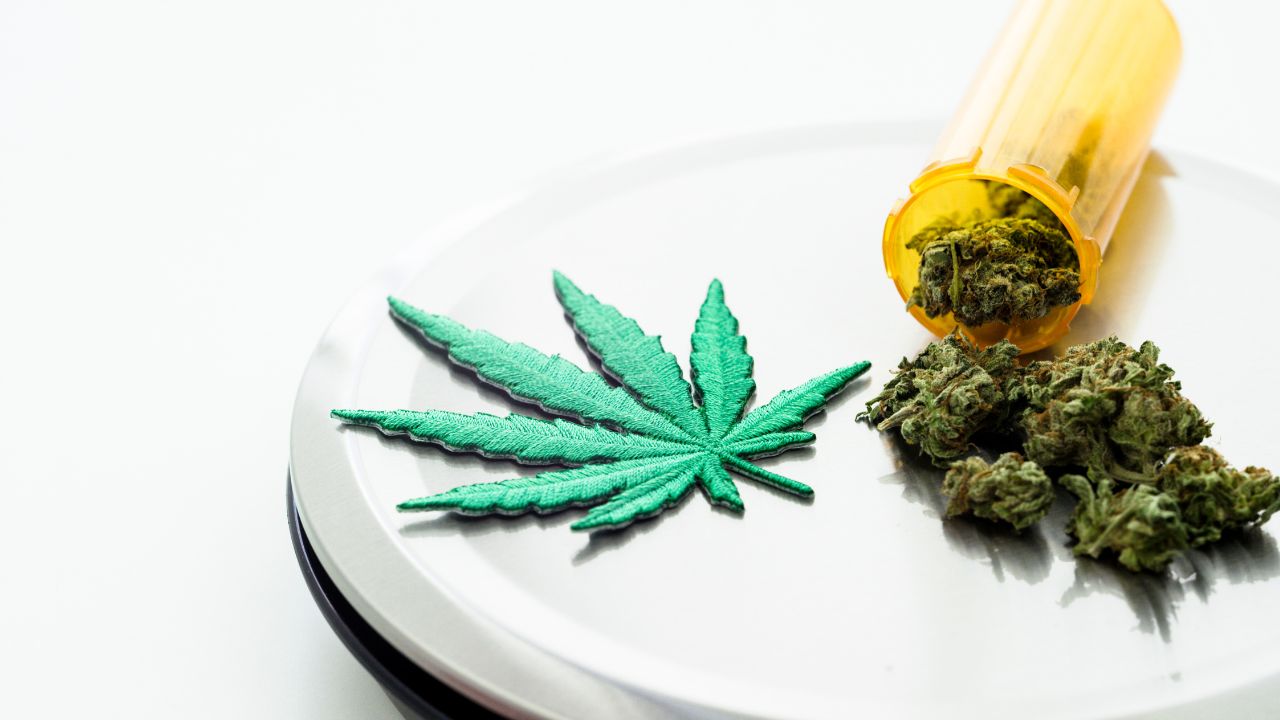
A Medical Marijuana Card in Oklahoma is a document that grants individuals with qualifying medical conditions access to purchase and use medical cannabis products legally. Oklahoma has enacted a comprehensive medical marijuana program that allows patients suffering from certain debilitating conditions to obtain a medical marijuana card.
To be eligible for a medical marijuana card in Oklahoma, patients must have a qualifying condition, such as chronic pain, post-traumatic stress disorder, anxiety, inflammatory bowel disease, seizure disorder, or muscular dystrophy, among others. Patients need to consult with a qualified physician who will evaluate their medical condition and determine if medical marijuana is a suitable treatment option.
Once a qualified physician approves, patients can apply for a medical marijuana card through the Oklahoma Medical Marijuana Authority (OMMA). The application process requires proof of residency, identity, and a written recommendation from the physician. There is also an application fee associated with obtaining a medical marijuana card.
Once issued, the card allows patients to legally purchase and possess a certain amount of marijuana and medical marijuana products. The possession limits include up to 3 ounces of marijuana on their person, six mature marijuana plants, six seedling plants, and specified amounts of concentrated marijuana, edible marijuana, and topical marijuana.
The Benefits of Cannabis Treatment to Certain Medical Conditions

Cannabis has been found to provide numerous therapeutic benefits for various medical conditions. Here are some of the examples of how medical cannabis can help different conditions:
- Chronic pain: Cannabis has pain-relieving properties that can relieve individuals with chronic pain conditions such as arthritis, fibromyalgia, and neuropathy.
- Post-traumatic stress disorder (PTSD): Medical cannabis can alleviate the symptoms of PTSD, such as anxiety and nightmares, helping individuals manage their condition and improve their quality of life.
- Inflammatory bowel disease (IBD): Cannabis has been shown to reduce inflammation and control symptoms of IBD, including abdominal pain, diarrhea, and weight loss.
- Seizure disorder: Certain compounds in cannabis, particularly CBD, have demonstrated anti-seizure properties, relieving patients with epilepsy and other seizure disorders.
- Muscle spasms: Cannabis can help relax muscles and reduce the frequency and severity of muscle spasms in conditions like multiple sclerosis and muscular dystrophy.
- Nausea and vomiting: Medical cannabis is commonly used to alleviate nausea and vomiting caused by chemotherapy for cancer and other conditions.
- Sleep disorders: Cannabis can help improve sleep quality and regulate sleep patterns, benefiting individuals with insomnia, sleep apnea, and other sleep disorders.
- Anxiety and depression: The cannabinoids in cannabis have mood-elevating properties and can help manage symptoms of anxiety, depression, and opioid use disorder.
- Neurodegenerative diseases: Cannabis has shown promise in slowing the progression of diseases like Alzheimer’s and Parkinson’s by protecting brain cells and reducing inflammation.
- Appetite stimulation: Medical cannabis can increase appetite and help manage weight loss associated with conditions like HIV/AIDS and cancer.
It’s important to note that the efficacy and safety of medical cannabis vary for each individual, and consultation with a healthcare professional is essential to determine the appropriate use and dosage.
Are There Qualifying Conditions in Obtaining a Medical Cannabis Card?

Unlike other states, Oklahoma has no specific qualifying medical conditions for obtaining a medical cannabis card. This means that individuals with a wide range of medical conditions may potentially qualify for medical marijuana use.
Some of the conditions that may qualify include:
- Anorexia and bulimia
- Anxiety
- Cachexia and wasting syndrome
- Cancer
- Chronic Pain
- Cramps
- Depression
- Epilepsy and other seizure disorders
- Glaucoma
- Headaches
- High Blood Pressure
- Positive Status for HIV / AIDS
- Hypertension
- Inflammation
- Insomnia
- Lack of Appetite
- Migraines
- Multiple Sclerosis
- Muscle Spasms
- Muscular Dystrophy
- Nausea
- Neurological Disorders
- Neuropathic pain
- Parkinson’s
- Post-traumatic stress disorder
- Severe nausea
- Spasticity
- Spinal Cord Injury (SCI)
- Stress
- Terminal illness
- Tinnitus
- Tourette’s Syndrome and more!
To determine eligibility, individuals must undergo a medical marijuana evaluation by a licensed physician who will assess their health condition and recommend medical cannabis if necessary. It is important to consult a qualified physician to discuss medical history and individual circumstances and determine if medical marijuana is a suitable treatment option.
How to Qualify for a Medical Marijuana Card in Oklahoma

To qualify for a medical marijuana card in Oklahoma, patients must meet certain criteria outlined by the state’s medical marijuana program. In 2018, Oklahoma voters approved the use of medical marijuana through State Question 788, providing patients with access to therapeutic benefits.
To begin the process, patients must obtain a recommendation form from a primary care physician. The physician must be in good standing with the State Board of Medical Licensure and Supervision, the State Board of Osteopathic Examiners, or the State Board of Podiatric Medical Examiners. They must also follow accepted standards that a reasonable and prudent physician would adhere to when recommending medication to a patient.
In terms of patient license types, there are several options available.
- Adult licenses are available to Oklahoma residents aged 18 and above and are valid for up to 2 years.
- Out-of-state licenses are available to non-Oklahoma residents of any age who possess a state-issued medical marijuana license and are valid for up to 30 days.
- Short-term licenses are available to Oklahoma residents of any age and are valid for up to 60 days.
- Minor licenses, on the other hand, are available to Oklahoma residents aged 0-17 and are valid for up to 2 years.
- Lastly, caregiver licenses are available to Oklahoma residents aged 18 and above and are valid for up to 2 years.
Once the qualifying conditions are met, and the necessary documentation is provided, patients can purchase and use medical marijuana from licensed dispensaries in the state. It is important to note that patients must also pay an application fee and provide proof of residency and identity.
Oklahoma’s program continues to evolve, providing medical cannabis patients access to various products and licenses to meet their needs.
Applying for a Medical Marijuana Card in Oklahoma

Applying for a medical marijuana card in Oklahoma requires meeting certain qualifications and providing the necessary documentation. Here are the steps and requirements involved in the application process:
- Physician Recommendation Form: Qualified patients must obtain a recommendation form from a qualified physician in good standing with the State Board of Medical Licensure and Supervision, the State Board of Osteopathic Examiners, or the State Board of Podiatric Medical Examiners. The cannabis doctor must follow accepted standards when recommending medical marijuana to qualifying patients.
- License Types: Different licenses are available for medical marijuana patients in Oklahoma. These include adult licenses for residents aged 18 and above, out-of-state licenses for non-Oklahoma residents with a state-issued medical marijuana license, short-term licenses for Oklahoma residents valid for up to 60 days, minor patient licenses for Oklahoma residents aged 0-17, and caregiver licenses for Oklahoma residents aged 18 and above.
- Documentation: Applicants must provide proof of identity and residency. Acceptable documents for proof of identity include an unexpired Oklahoma driver’s license or ID card, tribal ID accepted by the Department of Public Safety, or a US passport or other US government-issued photo ID. Proof of residency can be a utility bill from the previous month or the preceding year’s State of Oklahoma tax return.
- Digital Photo: Applicants must provide a clear and original digital photo of their medical card. The photo should have a plain white or off-white background and not include glasses or hats.
- Proof of Medicaid/Medicare/Disabled Veteran Status (optional): If applicable, applicants may provide proof of Medicaid, Medicare, or 100% disabled veteran status.
- Payment: Most applicants have a non-refundable application fee of $100. However, those with proof of Medicaid/Medicare/100% Disabled Veteran Status pay a reduced fee of $20. Payment can be made using Visa, Mastercard, Discover credit or debit cards.
- Online Application: Applicants must visit the Oklahoma.gov/OMMA website and click the “Apply: New or Renewal” button. They must create an account using their email address, fill out the application, upload the required documents, and complete the payment. Once submitted, applicants can track the status of their application online.
Applicants need to review their applications for accuracy and completeness before submission. Following these steps and meeting the eligibility requirements will help individuals successfully apply for a medical marijuana ID card in Oklahoma.
Find Out If You Qualify Today!

Looking to find out if you qualify for a medical marijuana card in Oklahoma? Choose Oklahoma Consults! Our platform is dedicated to educating people about the therapeutic benefits of medical marijuana and providing the necessary information for individuals to determine if they qualify for a medical marijuana card.
At Oklahoma Consults, we understand the importance of creating awareness about the immense usefulness of medical marijuana for treating various medical conditions. That’s why we offer resources and consultations with independent medical professionals who can guide you through obtaining a medical marijuana card.
To get started, simply give us a call at 405-416-2788 or visit our website. Our team will help you understand the available programs and assist in scheduling a convenient consultation with a qualified physician. They will guide you through the qualifying conditions and ensure you have all the necessary documentation for your application.
If you’re curious whether you meet the qualifying conditions for a medical card in Oklahoma, don’t hesitate to contact Oklahoma Consults today. Take the first step towards accessing the therapeutic benefits of cannabis products and find out if you are eligible. We can partner you with our best medical marijuana doctors!